1. Inspection and moisture mapping
Technicians assess the damage and use moisture meters and thermal imaging to map every wet area, including hidden moisture.
Fowler, MI · Clinton County
Need crawl space water removal in Fowler, MI? Call (877) 899-4231 for fast, affordable help. Crawl space water removal and moisture barrier drying.
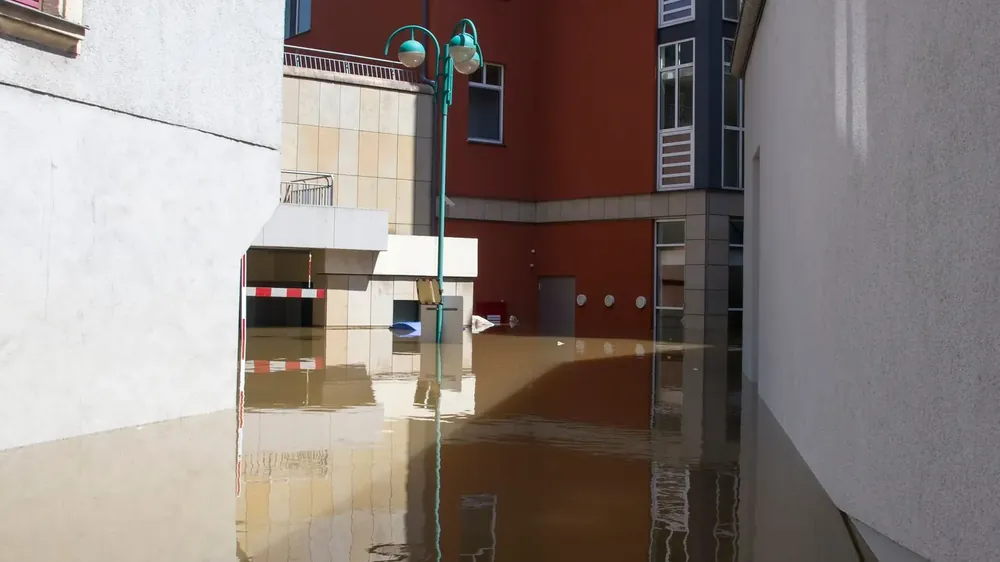
The crawl space water removal process typically begins with a thorough assessment of the affected area to identify the source and extent of the water damage.. This is crucial to ensure the water is removed safely and efficiently, to prevent further damage.. At the same time, technicians utilize specialized equipment such as submersible and truck-mounted pumps to extract the water and dry the crawl space.. The pumps are often paired with extractors, to release the water from the affected area,.
In Fowler,, Clinton County,,, Michigan,, the crawl space water removal process involves a thorough assessment of the affected area to identify the source and extent of the water damage.. This assessment is crucial to ensure the water is removed safely and efficiently to prevent further damage.. At the same time, technicians utilize specialized equipment such as submersible and truck-mounted pumps to extract the water and dry the crawl space..
The crawl space water removal process typically begins with a thorough assessment of the affected area to identify the source and extent of the water damage.. This assessment is crucial to ensure the water is removed safely and efficiently to prevent further damage.. At the same time, technicians utilize specialized equipment such as thermal imaging cameras to detect hidden water and moisture issues in the crawl space.. The thermal imaging cameras help technicians locate and assess the extent of the water damage,.
In some cases,, the water may have seeped under the foundation, or into the walls and floors above the foundation,, which can lead to significant structural damage and costly repairs.. The technicians will then use specialized equipment such as submersible and truck-mounted pumps to extract the water and dry the crawl space,. These pumps are often paired with extractors to release the water from the affected area,
Technicians assess the damage and use moisture meters and thermal imaging to map every wet area, including hidden moisture.
Truck-mounted extractors and submersible pumps remove standing water quickly to stop it from spreading.
Air movers and dehumidifiers dry walls, flooring, and framing while readings are monitored daily until the structure meets dry standards.
Antimicrobial treatment, deodorizing, and repairs finish the job and guard against mold.
Crawl Space Water Removal in Fowler, MI typically costs $150 to $7,500 or more, depending on the water category, the size of the affected area, and the materials involved.
Most Fowler projects fall between $500 and $2,500. Final pricing is set after a free on-site assessment, with no exact quote given sight unseen.
| Scope of the job | Typical range |
|---|---|
| Minor job, small area, clean water | $150 - $500 |
| Moderate job, a single room | $500 - $2,500 |
| Major job, multiple rooms or Category 2-3 water | $2,500 - $7,500+ |
Estimates only, not a quote. Actual cost depends on the water category, the affected area, and the materials involved. Call (877) 899-4231 for a free assessment.
Most crawl space water removal projects in Fowler fall between $500 and $2,500. Small jobs can start around $150 and major losses can exceed $7,500. The final price depends on the water category, the size of the affected area, and the materials involved. Call (877) 899-4231 for a free on-site assessment, with no exact quote given sight unseen.
For emergencies, crews aim to arrive within about an hour. The sooner crawl space water removal begins, the less the water spreads and the lower the repair cost.
It depends on the policy. Sudden and accidental water damage is often covered, while gradual leaks and long-term seepage may not be. The team documents the loss with photos and moisture readings to help support the claim.
A typical job starts with inspection and moisture mapping, then water removal, structural drying with air movers and dehumidifiers, and a final moisture check to confirm the area meets dry standards.
Right away. Water keeps spreading and mold can begin within 24 to 48 hours, so prompt action protects both the structure and indoor air quality.